
Emergency Dial : 911


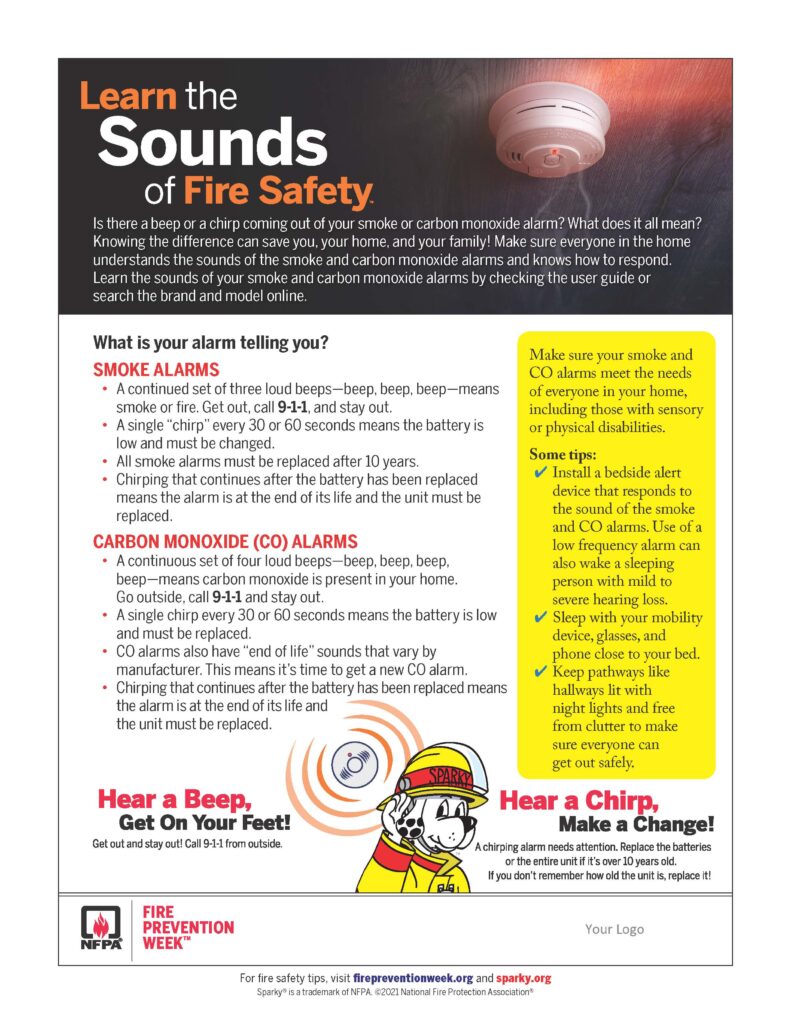


It is imperative to recognize the symptoms of CO exposure before it is too late. Symptoms, per the United States Environmental Protection Agency (EPA), include fatigue and chest pains at low exposure levels that escalate to dizziness, loss of coordination, nausea, confusion, and headaches. Severe exposure renders the body unable to properly take in oxygen and results in a loss of brain function and eventual death. Fresh air is vital once these symptoms begin. All household members must exit the house immediately and evacuate all pets, notify the local fire department, and not re-enter the building until it is determined safe. These same symptoms mimic the flu; therefore, the presence of a CO alarm is vitally important since it will normally sound before symptoms progress beyond fatigue.

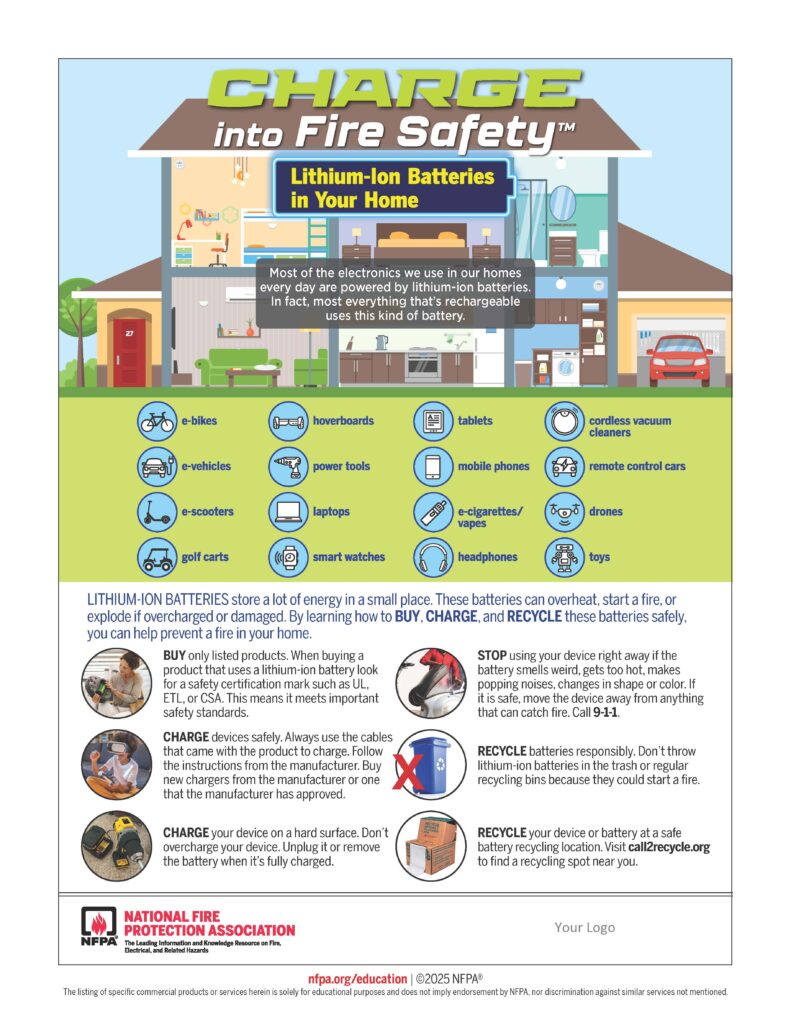
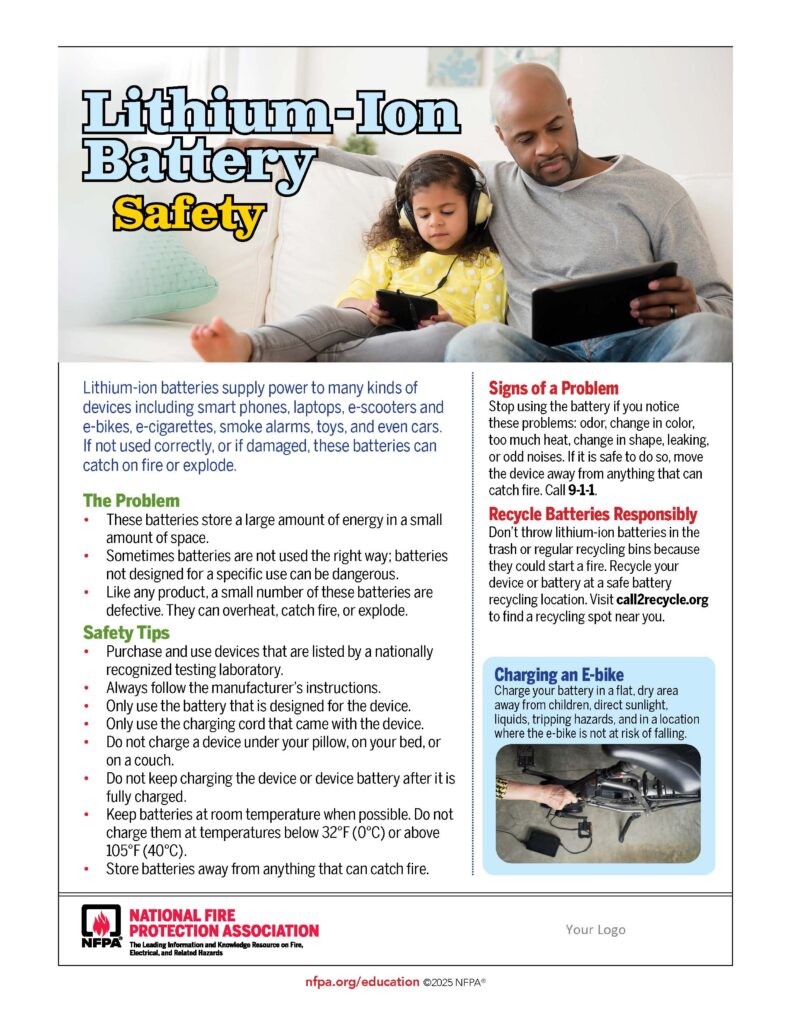
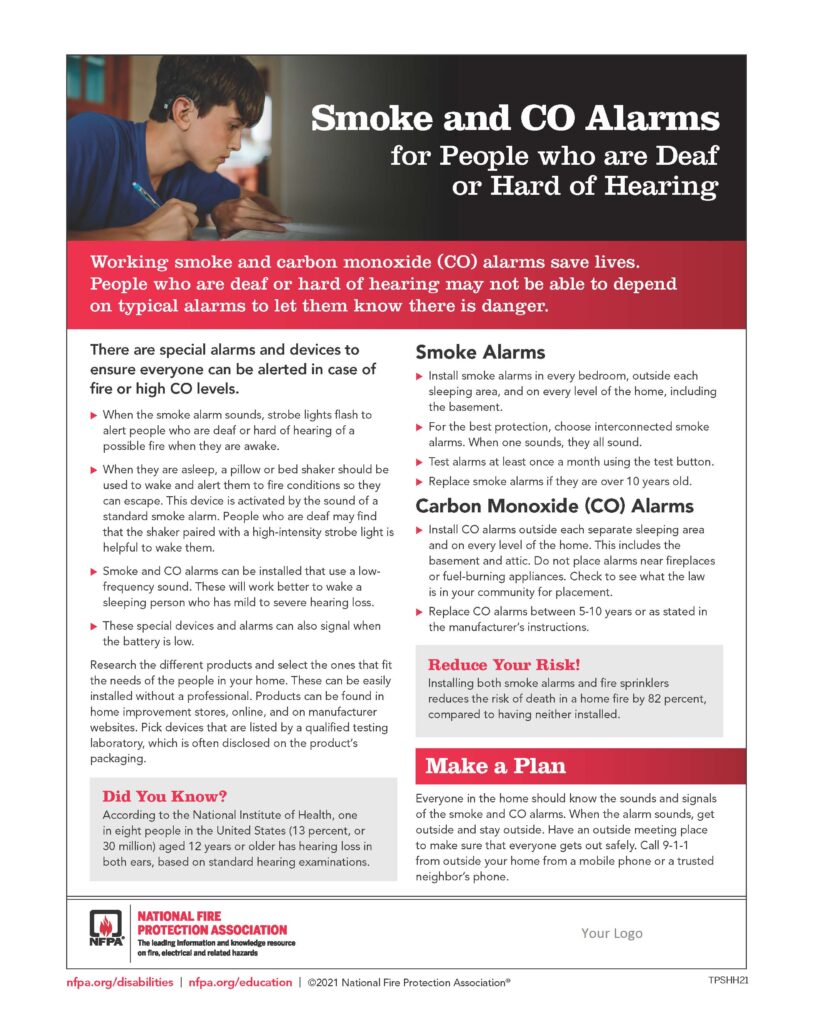
The majority of fire victims die from inhaling smoke. Smoke reduces visibility making it more difficult to escape. Smoke alarms are always on and monitoring the home for smoke. They give your family early warning of a fire allowing time to escape before smoke fills the home. Many options are available in all price ranges to provide this protection for your family. You should select the most comprehensive protection that you can afford.
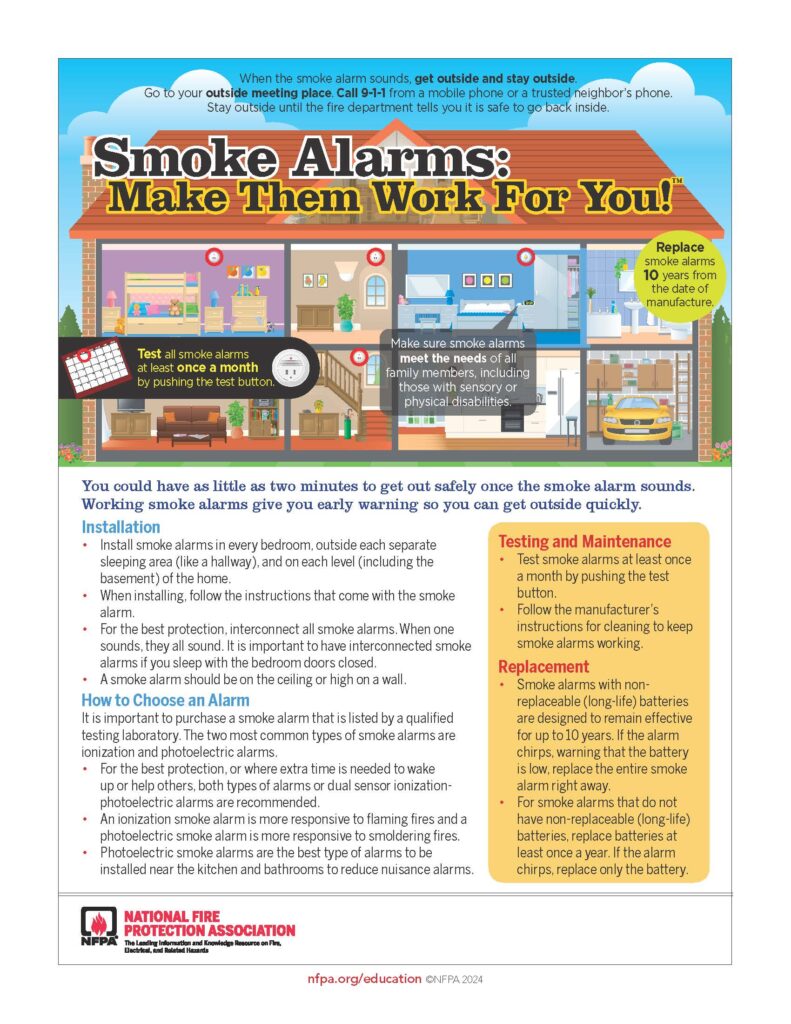
There are two basic types of smoke alarms: ionization and photoelectric. Ionization detectors are more rapid at detecting flaming, fast moving fires. Photoelectric detectors are fast at detecting smoldering, slow burning fires. Dual Sensor alarms contain both photoelectric and ionization detectors. The United States Fire Administration (USFA) recommends the dual sensor as the best choice, as it will quickly detect both types of fires.
Smoke alarms are powered by electric, electric with battery backup, or battery only. Electric and electric with battery backup alarms require the services of a registered electrician to run the wiring and install the alarms. However, replacement of electric and electric battery alarms can normally be completed by the homeowner by unplugging the wiring harness from the old alarm and plugging it into the replacement alarm. Always follow the manufacturer’s instructions. Battery powered alarms are easy to install requiring a drill and a screwdriver. Electric and electric with battery backup alarms can interconnect and are worth the expense of installation. In other words, if one alarm activates, ALL of the alarms sound throughout the residence. This gives an early warning of fire in remote parts of the house.
Battery powered smoke alarms come in two varieties. The traditional alarm operates on a nine volt battery that must be replaced at least once a year. An alarm with a lithium battery can work for up to ten years with no battery replacement. The lithium battery is sealed in the unit, and you replace the entire unit when the battery fails or after ten years of service. All units with batteries, including the electric style, need tested monthly to ensure that the alarm is functioning. Battery powered alarms cannot interconnect. If your alarms operate on nine volt batteries, select a day that you will remember, such as a birthday or holiday, and change the battery. The fire service recommends that you change smoke alarm batteries when changing your clocks!
Each smoke alarm comes with a comprehensive set of instructions that specify where to install the alarm. Generally, the ceiling is the best place. Placing the unit high on the wall is a second choice. Smoke rises to ceiling level, then “mushrooms” back down towards the floor. Never place alarms in corners, near overhangs or bulkheads, or close to ceiling fans. The smoke will get to those areas last. Alarms placed in bathrooms and kitchens will tend to activate more frequently due to steam and cooking smoke.
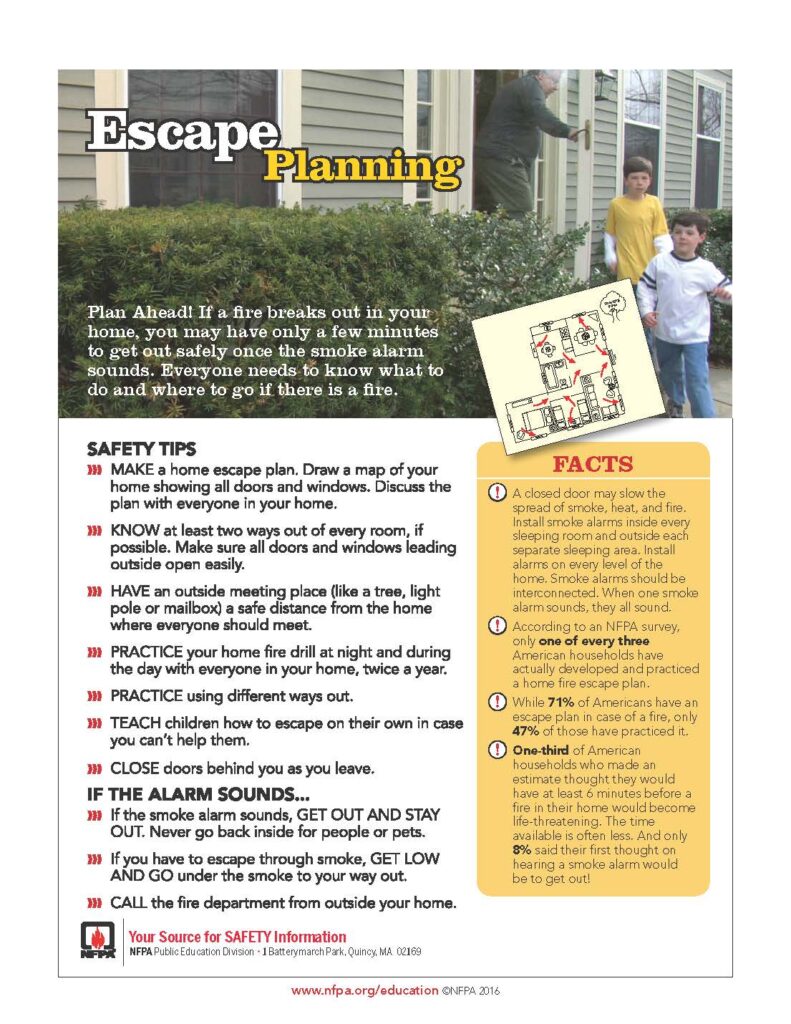
Remember that the smoke alarm is just the first step. Once the alarms are installed, it is important to design and practice a fire escape plan. It is imperative to practice the plan after bedtime by pressing the test button on the smoke alarm to activate the alarm. Parents can then rest assured that children or elderly residents of the home will wake to the sound of the alarm. For those who do not awake to the sound of the smoke alarm, a parent can record a message on the alarm, and the children rise to the reassuring sound of a familiar voice calmly stating that there is a fire, evacuate the home! Parents must insure that they too will respond to this alarm. For more information, search online for “Talking Smoke Alarms.”
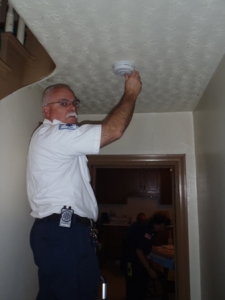
Some elderly suffer from significant hearing loss and cannot hear the alarm. This is sometimes complicated by the use of sleeping aids. Alarms are available with a flashing strobe or vibrating sensor that is placed under the pillow. Search on the internet for “smoke alarm with strobe” and “vibrating smoke alarm” to locate alarms appropriate for persons with hearing loss.
Often, smoke alarms activate when someone burns toast or steam from the shower escapes into the hallway. NEVER remove the batteries or take the alarm down to silence the alarm. Wave a towel under the alarm to move the smoke or steam. Some newer models have a “hush” feature that will disable the alarm for a short period of time and then automatically restore the alarm to service.
Smoke alarms need regular maintenance – testing, battery changes, and cleaning. The smoke alarm should be kept clear of dust. This should be done by dusting with a clean, dry cloth. Do not use cleaning sprays or water on the alarm; never paint or cover alarms with anything decorative; as this will cause impairments for smoke detection. Again, always read and refer to the manufacturer’s instructions for the alarm even if those instructions differ from the information presented in this document.
If you have questions about smoke alarms, contact your local fire department. If you live in the Borough of Chambersburg and have questions or would like to receive smoke alarms for your home, contact the Chambersburg Fire Department at 263-5872.
Next month: Carbon Monoxide Alarms
Information for this article was obtained from the following sources:
United States Fire Administration website: https://www.usfa.fema.gov/
The White Paper, published 2006 by the Public/Private Fire Safety Council, available on the USFA website. The Public/Private Fire Safety Council is a 16 member council of federal agencies and non-government organizations, created to develop a coordinated national effort to eliminate residential fire deaths by the year 2020.